
The Knowledge Hub
Understanding Neutral Motivation: The Middle Ground in Behavioral Drive
or
What is Neutral Motivation?
Neutral motivation refers to a state where actions are neither fueled by deep internal desires nor by external rewards. In this state, individuals engage in activities due to neither strong internal nor external compulsions. It's a state where actions are performed out of routine, necessity, or habit rather than passion or reward.
Neutral motivation aligns with performing functional and practical tasks that do not significantly contribute to personal growth or external rewards but are necessary for daily functioning.
-
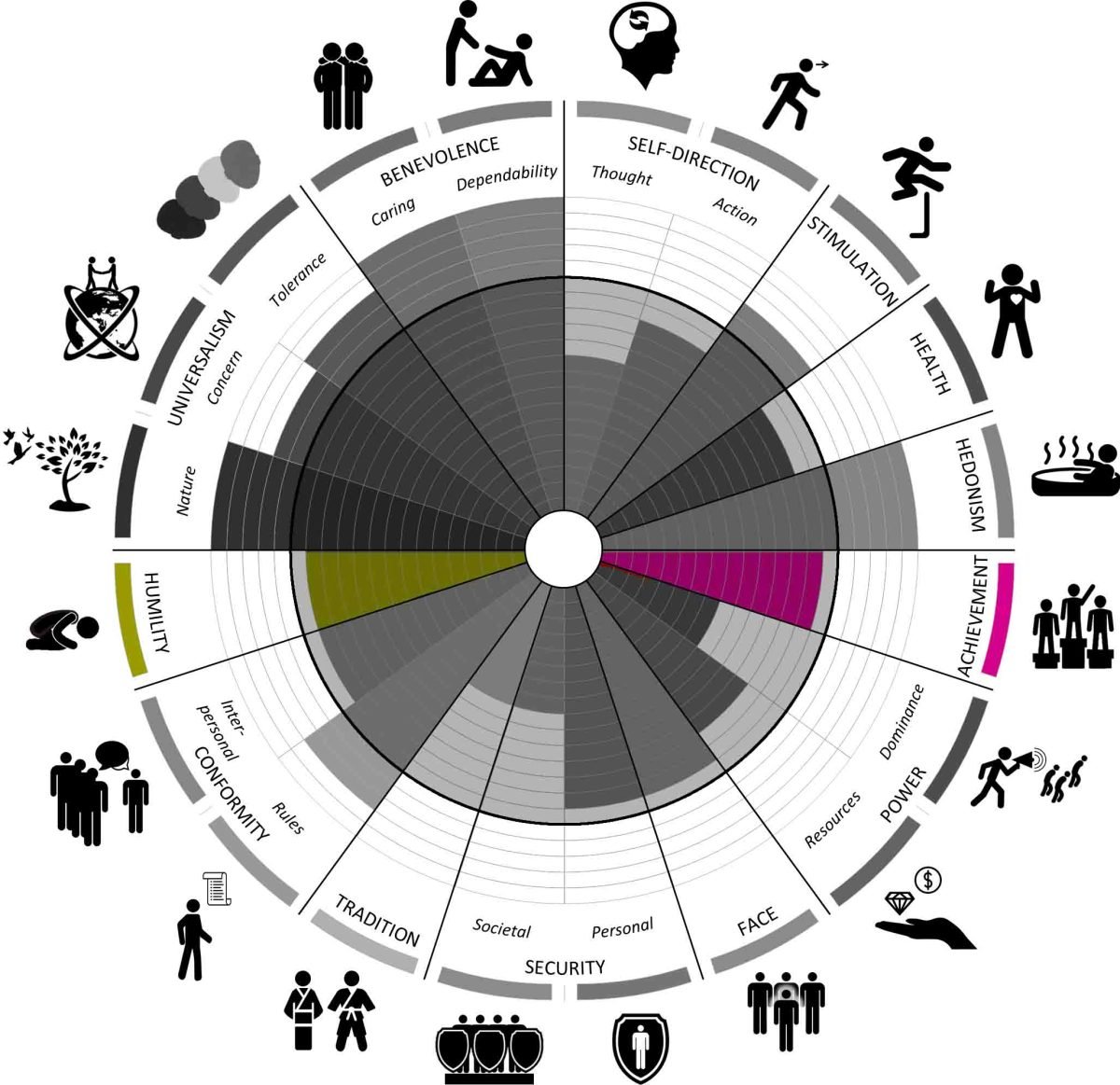
Schwartz's Theory of Basic Human Values: While Schwartz primarily focuses on intrinsic values, his theory implies that not all actions align with these core values, leading to neutral motivation in certain routine or obligatory tasks (Schwartz, 2012).
-
Deci and Ryan's Self-Determination Theory: According to Deci and Ryan, neutral motivation might occur in activities that do not fulfill the basic psychological needs of autonomy, competence, and relatedness, thus lacking the intrinsic quality of motivation (Deci & Ryan, 2000).
Deci and Ryan also emphasize the role of autonomy in motivation. Activities done without a sense of choice might fall into the realm of neutral motivation, as they are neither intrinsically fulfilling nor extrinsically rewarding (Ryan & Deci, 2000).
Characteristics of Neutral Motivators

Routine Actions

Absence of Strong Emotional Drive

Habitual Behavior

Functional and Practical Actions
The Impact of Neutral Motivation:
Neutral motivation plays a crucial role in daily life. It helps maintain routine and order, ensuring that necessary but unexciting tasks are completed. While it might not lead to significant personal fulfillment or external rewards, it supports the smooth functioning of daily life and professional obligation